So Where Did the Fear Come From?
Despite the overwhelming benefits, some concerns have surfaced when vegetables are polluted, overprocessed, or eaten improperly. These rare but real cases have been exaggerated into misleading posts like the one in your image.
Let’s read 3 real contexts where vegetables might be linked indirectly to canc3r only when mishandled:
1. Vegetables with High Pesticide Residue

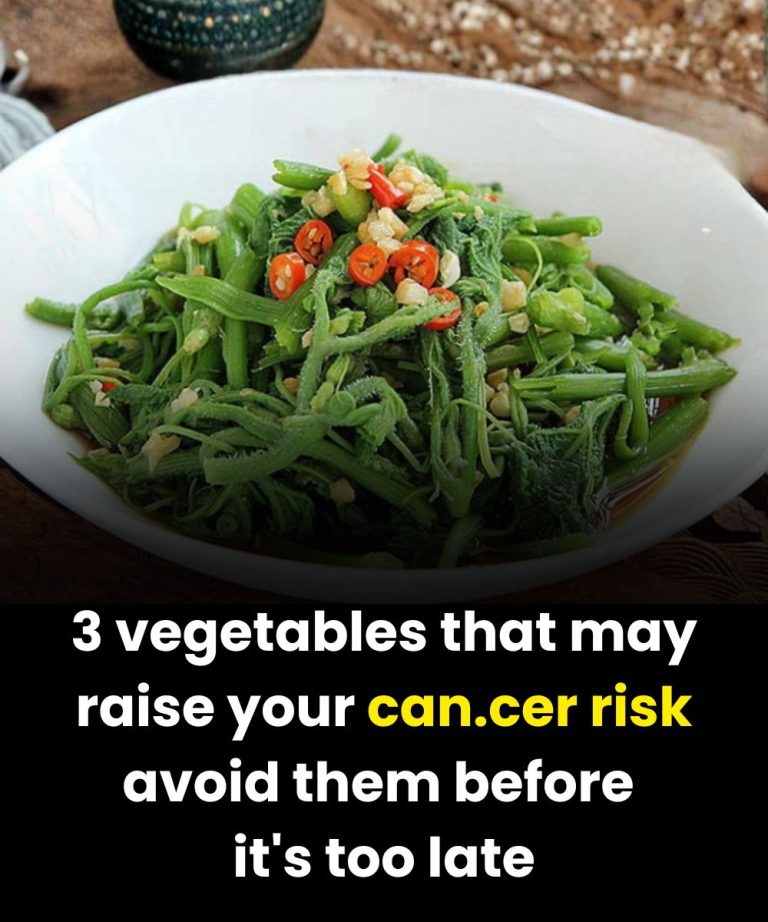
Certain vegetables, especially leafy ones like spinach, kale, or gourds (like the one shown in your image), often rank high on the “Dirty Dozen” list by the Environmental Working Group (EWG). These are vegetables commonly found with high levels of pesticide residue.
Pesticides such as organophosphates and glyphosate have raised canc3r concerns in long-term animal studies and some human observational research. The International Agency for Research on Cancer (IARC) has considered glyphosate as “probably carcinogenic to humans” (Group 2A).
Prevention Tip:
Wash all vegetables thoroughly. Check choosing organic produce for high-risk items. Peeling certain vegetables or soaking them in salt or baking soda water may decrease residue.
2. Pickled or Preserved Vegetables (in Excess)