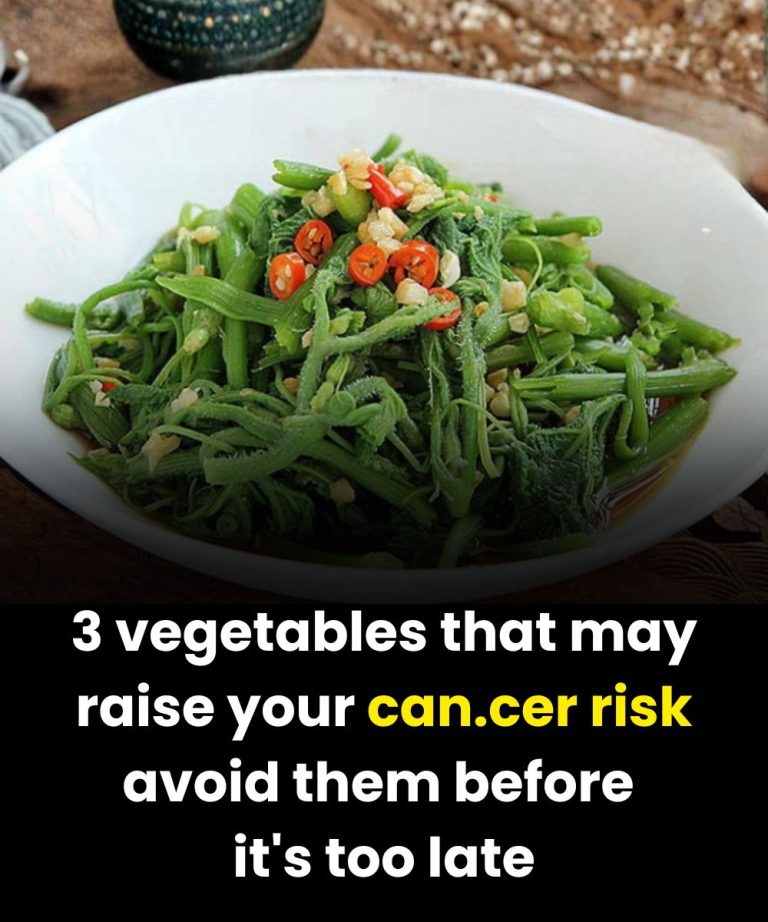
In the age of social media, we often read war.ning headlines such as:
“These 3 vegetables have a high risk of causing canc3r. Know early to avoid them!”
These types of statements, often joined by amazing images or bold red text, aim to draw attention but they may not always be based on truth.
So, what’s the reality behind these claims? Can vegetables often seen as the major factor of a healthy diet—really be harmful? And more specifically, could certain vegetables cause canc3r? Let’s explore the myth from reality using science-backed information.
Vegetables and Canc3r: A Complex Relationship
First and foremost, vegetables are generally protective against canc3r, not the cause. Countless studies from institutions like the World Health Organization (WHO), the American Institute for Canc3r Research (AICR), and the Harvard School of Public Health emphasize the benefits of a plant-based diet.
Vegetables offer:
- Antioxidants
- Fiber
- Phytochemicals
- Vitamins and minerals
These nutrients help ease inflammation, prevent DNA damage, and enhance immune response – key in reducing canc3r risk.