-
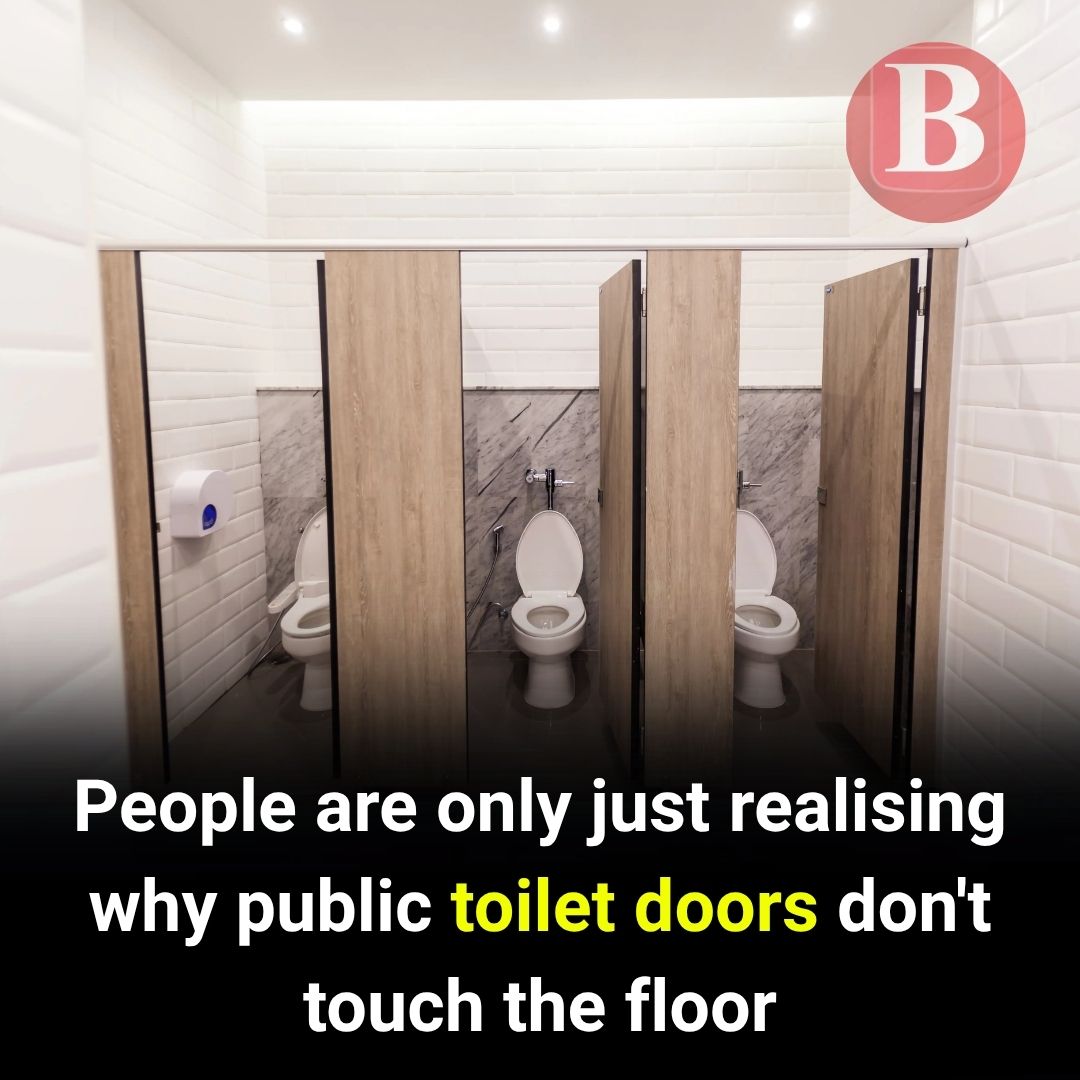
The gap at the bottom helps ventilate the stall, allowing odours to disperse rather than accumulate.
-
This means subsequent users may feel more comfortable.
Reduced Misbehaviour / Improved Safety
-
The design slightly reduces privacy, which can deter inappropriate behaviour in restrooms.
-
Others can more easily notice if something unusual is happening in a stall.
Indicates Occupancy / Speeds Use
-
The gap allows visual cues (someone’s feet, feet movement) to judge whether a stall is vacant, reducing awkward knocking or attempted entry.
-
Also, the reduced sense of full privacy may encourage quicker use and turnover.Allows Assistance or Supply Passage
-
If a person inside the stall needs help (e.g., out of toilet paper), the gap allows passing of supplies or communication more easily.
-
If someone were to get stuck (lock malfunction), the gap may provide a way for others to see or help.
✅ Conclusion
The design choice of having stall doors that don’t touch the floor is not accidental or purely aesthetic; the article argues it addresses multiple real-world concerns including safety, hygiene, cost, ventilation, behaviour, and flow of use.