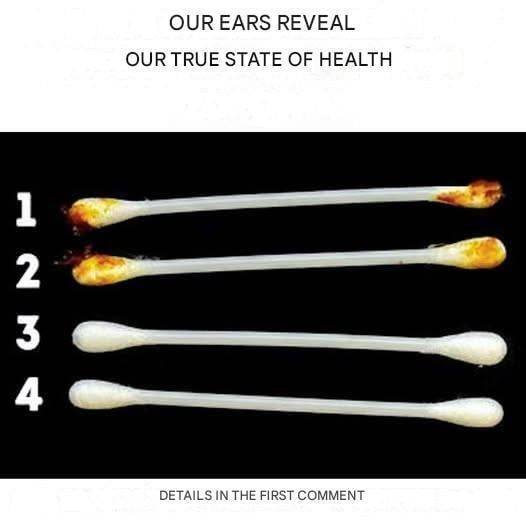
1. Pale or White Ears
If your ears suddenly appear pale or cold to the touch, it may indicate poor circulation or anemia. Reduced red blood cell count limits oxygen delivery, causing the extremities — including the ears — to lose color. People who experience fatigue, dizziness, or brittle nails alongside pale ears should consider a checkup for iron deficiency or cardiovascular issues.
2. Red or Flushed Ears
A flushed ear isn’t always a sign of embarrassment. Persistent redness could point to hypertension, hormonal imbalance, or even inner ear inflammation. In some people, sudden redness coincides with migraines or stress-related blood pressure spikes.
If the redness is accompanied by heat, throbbing, or swelling, it might suggest infection or inflammation in the middle or outer ear.
3. Blue or Purple Ears
Bluish ear tones can be a warning sign of circulatory problems or low oxygen levels in the blood, often associated with respiratory or heart conditions. Cold environments can temporarily cause this effect, but if it persists, it’s important to rule out underlying cardiovascular concerns.
4. Yellowish Tint
A yellowish hue or waxy complexion on or around the ears may suggest liver dysfunction, bilirubin buildup, or jaundice. Because the skin around the ear is thin and vascular, it often shows discoloration early.
Ear Texture, Temperature, and Shape Clues
Beyond color, the texture, temperature, and structure of your ears can hold additional insights.
Cold ears may signal low blood pressure or circulation issues.
Hot ears can result from hormonal surges, high blood pressure, or systemic inflammation.
Dry, flaky ears may point to dehydration, eczema, or nutrient deficiency (especially zinc or essential fatty acids).
Excessively oily ears might indicate seborrheic dermatitis or hormonal imbalances.
Changes in ear shape or cartilage hardness can occur with aging, but in some cases, they’re linked to endocrine disorders or collagen-related conditions.
For example, certain hormonal imbalances can make ear cartilage stiffer or more prominent. Chronic inflammation — often due to autoimmune disorders — can also cause the ear to swell, harden, or become misshapen over time.
Ear Pain and What It Really Means
While ear pain is often dismissed as a sign of infection, it can actually be a symptom of something much broader.
1. Referred Pain
Because nerves in the ear connect to the jaw, throat, and sinuses, discomfort can sometimes be referred pain — meaning the problem lies elsewhere. For instance:
Jaw or dental issues (like TMJ disorder or tooth infections) often radiate pain to the ear.
Tonsil or throat infections can create deep earaches even when the ear itself is healthy.
Neck tension or nerve compression can mimic ear pain.
2. Inner Ear Pressure
If you frequently feel pressure or fullness without infection, it could indicate sinus congestion, allergies, or Eustachian tube dysfunction — the small canal that equalizes air pressure behind your eardrum. Chronic stress and anxiety can also trigger similar sensations, as they alter breathing and muscle tension around the ear.