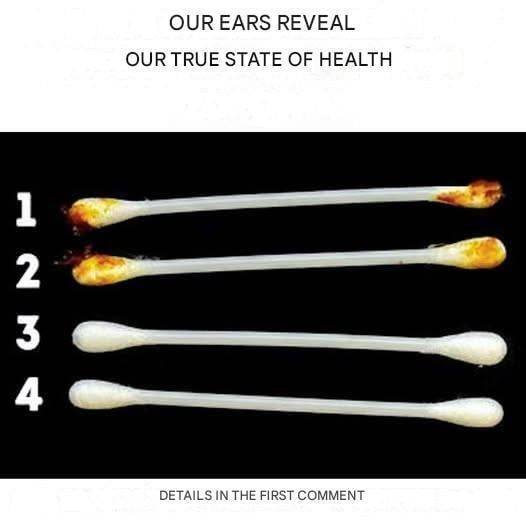
One of the earliest clues discovered in modern medicine is known as the “Frank’s sign” — a diagonal crease across the earlobe. Researchers have long observed that people with this crease often have a higher likelihood of coronary artery disease or other forms of cardiovascular dysfunction.
The reasoning is simple but powerful: the earlobes, like the heart, have limited collateral blood flow. If circulation is poor or arteries are narrowed due to plaque buildup, the small blood vessels in the ear can show signs of stress — leading to tissue changes or visible lines.
Beyond visual clues, hearing loss itself can sometimes signal cardiovascular issues. The inner ear depends on a constant, well-oxygenated blood supply. Reduced circulation — often due to hypertension, high cholesterol, or diabetes — can cause subtle hearing loss, particularly in high frequencies.
If you’ve noticed gradual hearing changes, persistent ringing (tinnitus), or ear fullness without infection, it may be worth checking your blood pressure and cholesterol. Your ears might be warning you before your heart does.
The Ears as a Window to Metabolic Health
Your ears can also reveal much about your body’s metabolic and endocrine systems — the intricate networks that regulate hormones, sugar levels, and energy balance.
1. Diabetes and Ear Health
Diabetes affects blood circulation and nerve function, both of which are crucial to ear health. Over time, high blood sugar can damage the small vessels that nourish the cochlea, leading to sensorineural hearing loss. People with diabetes are statistically more likely to experience hearing difficulties, balance issues, or persistent ear ringing.
Even subtle signs like dry or itchy ear canals can hint at fluctuating blood sugar levels, since dehydration and altered skin health are common diabetic side effects.
2. Thyroid Function and Ear Symptoms
The thyroid gland — located in the neck — regulates metabolism and influences energy, temperature, and cell growth. When it’s underactive (hypothyroidism), people often experience ear fullness, hearing dullness, or even tinnitus. In contrast, hyperthyroidism (an overactive thyroid) can cause a buzzing or heightened sensitivity to sound.
Because the ear’s nerve pathways are so sensitive to metabolic fluctuations, thyroid imbalances often make themselves known through subtle changes in hearing or equilibrium long before other symptoms appear.
3. Cholesterol and Ear Circulation
High cholesterol doesn’t just affect the heart. It can also restrict blood flow to delicate structures in the ear, causing temporary hearing changes or ringing sounds. If you experience sudden hearing loss or recurring tinnitus, it might be worth evaluating your lipid levels. The ear’s small arteries are some of the first to suffer when circulation falters.
The Color Code: What the Appearance of the Ear Reveals
The ears are among the few parts of the body where blood flow and vascular tone are easily visible. Subtle shifts in their color, texture, or temperature can reveal surprising details about your internal state.