2. Temperature: Cool Air Stimulates Blooming
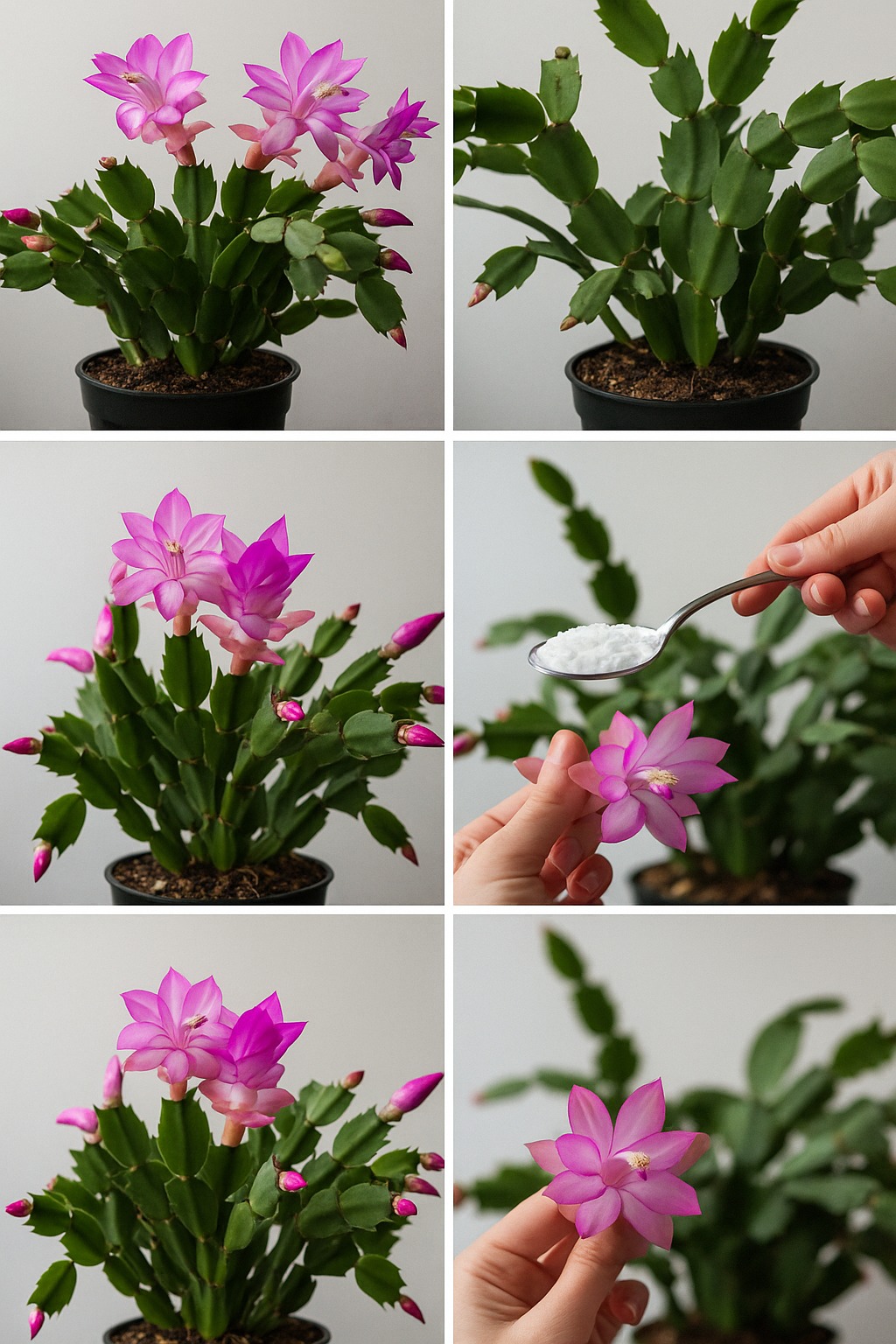
The Christmas cactus is native to the cool, shaded forests of Brazil, and its blooming process is triggered by temperature changes. As autumn approaches and days shorten, place the plant in a cooler room where temperatures range between 10°C and 15°C (50°F–59°F). This temperature drop signals the plant to start forming buds.
Avoid exposing it to sudden drafts or drastic temperature changes — both can cause stress and bud drop. Once buds have formed, return the cactus to a slightly warmer environment (around 18°C–20°C) to encourage full blooming.
3. Watering: Follow the Natural Rhythm
Proper watering is crucial. During spring and summer, when the plant is actively growing, water it regularly to keep the soil slightly moist — never dry, but also never soggy. Overwatering can lead to root rot, a common issue with this species.
As autumn arrives, gradually reduce watering to mimic its natural resting phase. This short “dry period” helps the plant shift energy toward bud formation. When you notice the first buds appearing, resume regular watering to support blooming.
4. Fertilization: Feed for More Flowers
Nutrients are the foundation of abundant flowering. From spring to the end of summer, feed your Christmas cactus once every two to four weeks with a liquid fertilizer for flowering plants. Choose one rich in phosphorus and potassium — both promote strong buds and vibrant blooms.
In autumn, stop fertilizing to let the plant rest. Once flowering begins, you can start feeding again to sustain the blossoms and encourage healthy growth afterward.